TeamFlow
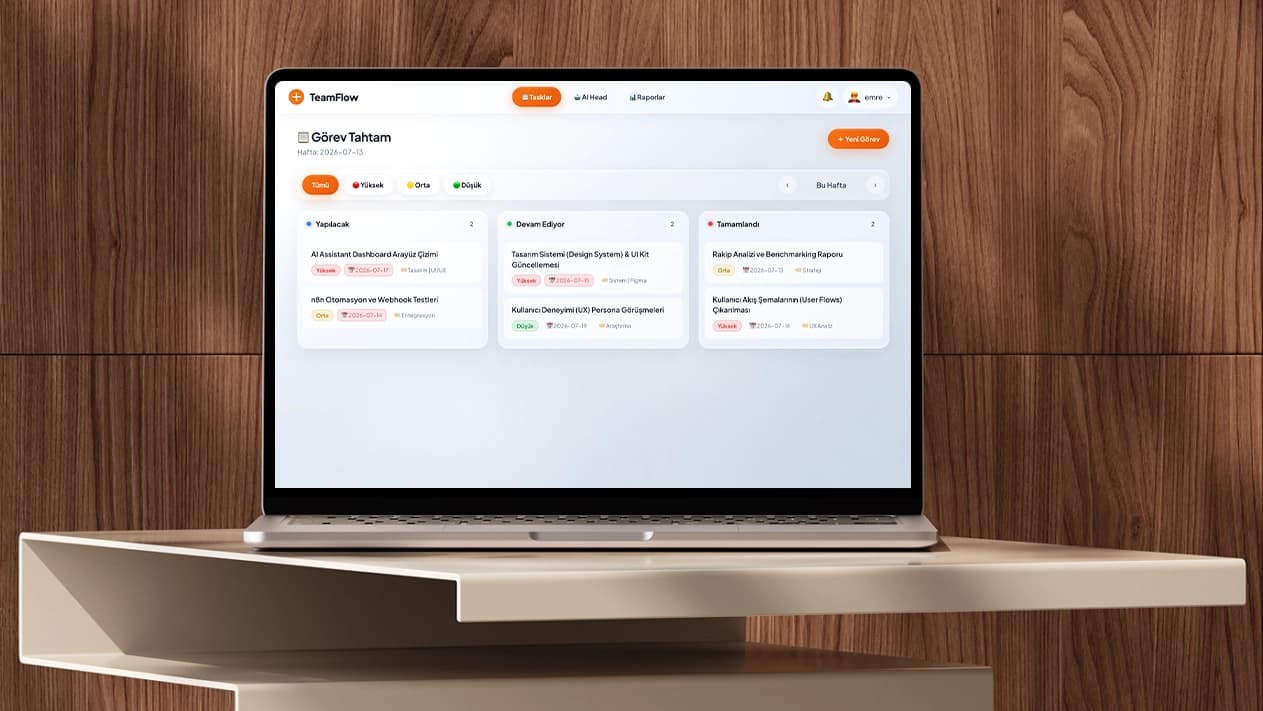
An AI-powered, mobile-friendly, offline-first PWA Kanban board designed to help small teams manage tasks with zero friction.
TECHNOLOGIES USED
PROJECT GALLERY
Project Purpose
To create an autonomous task-management ecosystem supported by AI that requires no installation, keeps working when the internet connection drops, and offers an alternative to complex, server-dependent project-management tools.
Identified Problem
Small teams usually manage their work with cumbersome tools that require heavy setup, constant internet access, and create cognitive load. Mandatory account creation, online-only synchronization, and cluttered interfaces are the biggest friction points of traditional project-management platforms.
Research and Design Strategy
I analyzed where existing systems become heavy and reduced the Kanban experience to its core functions: create, prioritize, move, and review. To avoid burdening users with long registration flows, I defined a focused, lean scope protected by a practical PIN system instead of full authentication.
Design Decisions and Development Process
Approaching the system with a Design Engineer mindset, I designed and coded the interface screen by screen through interactive feedback loops with Claude Code and Cursor. Built as a modular PWA on TypeScript and Vite, the interface stays simple while a Service Worker architecture makes every workflow offline-first.
Key Features
- Architecture that keeps working seamlessly when the internet drops, powered by a service worker
- AI-accelerated design-to-code (vibe coding) integration with Cursor and Claude Code
- Practical PIN authentication instead of email for faster access
- Smooth, mobile-friendly Kanban interface built on drag-and-drop logic
- "AI Group Head" assistant that analyzes workflows
- Automatic performance summary and report download that visualizes productivity
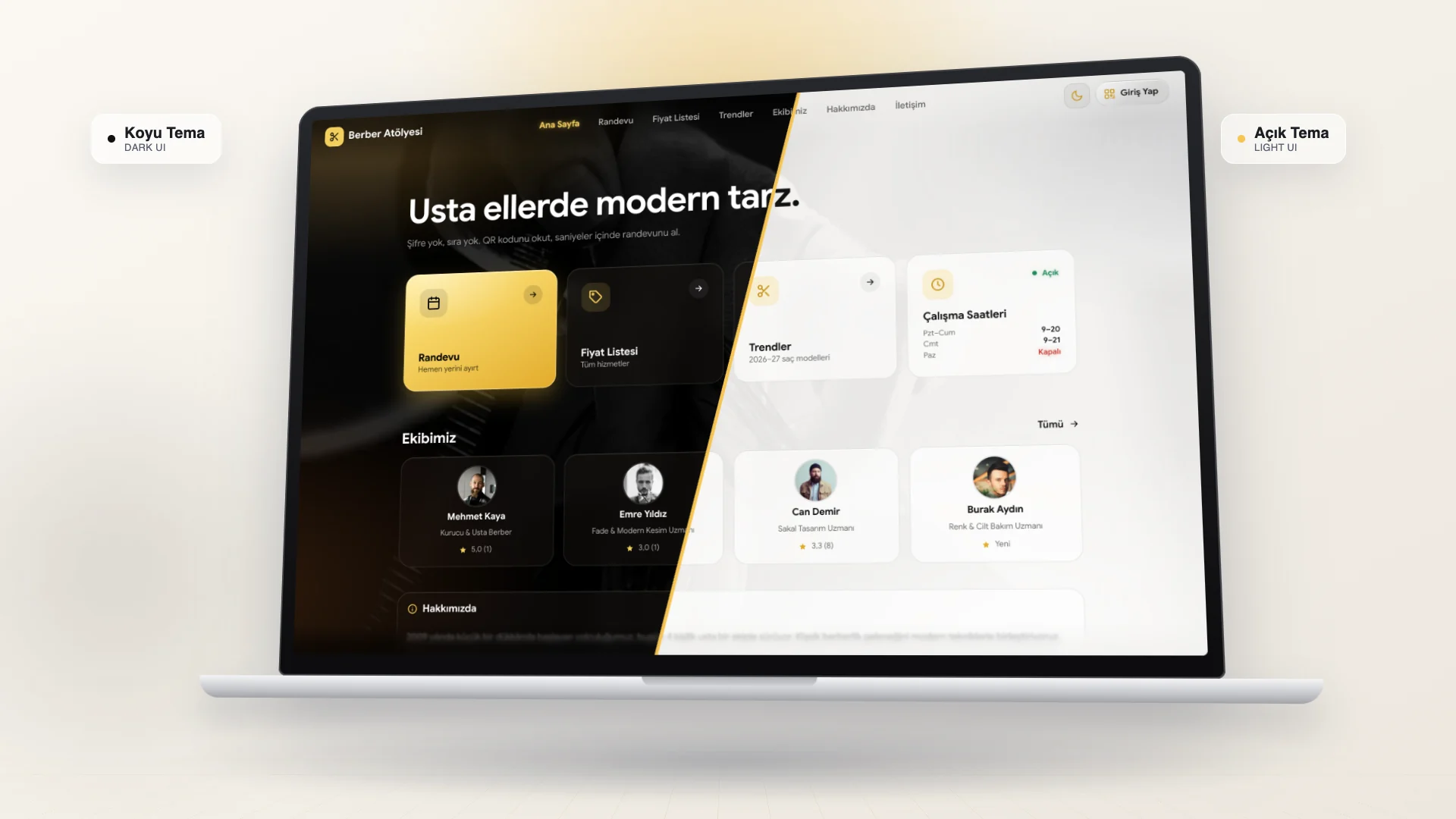
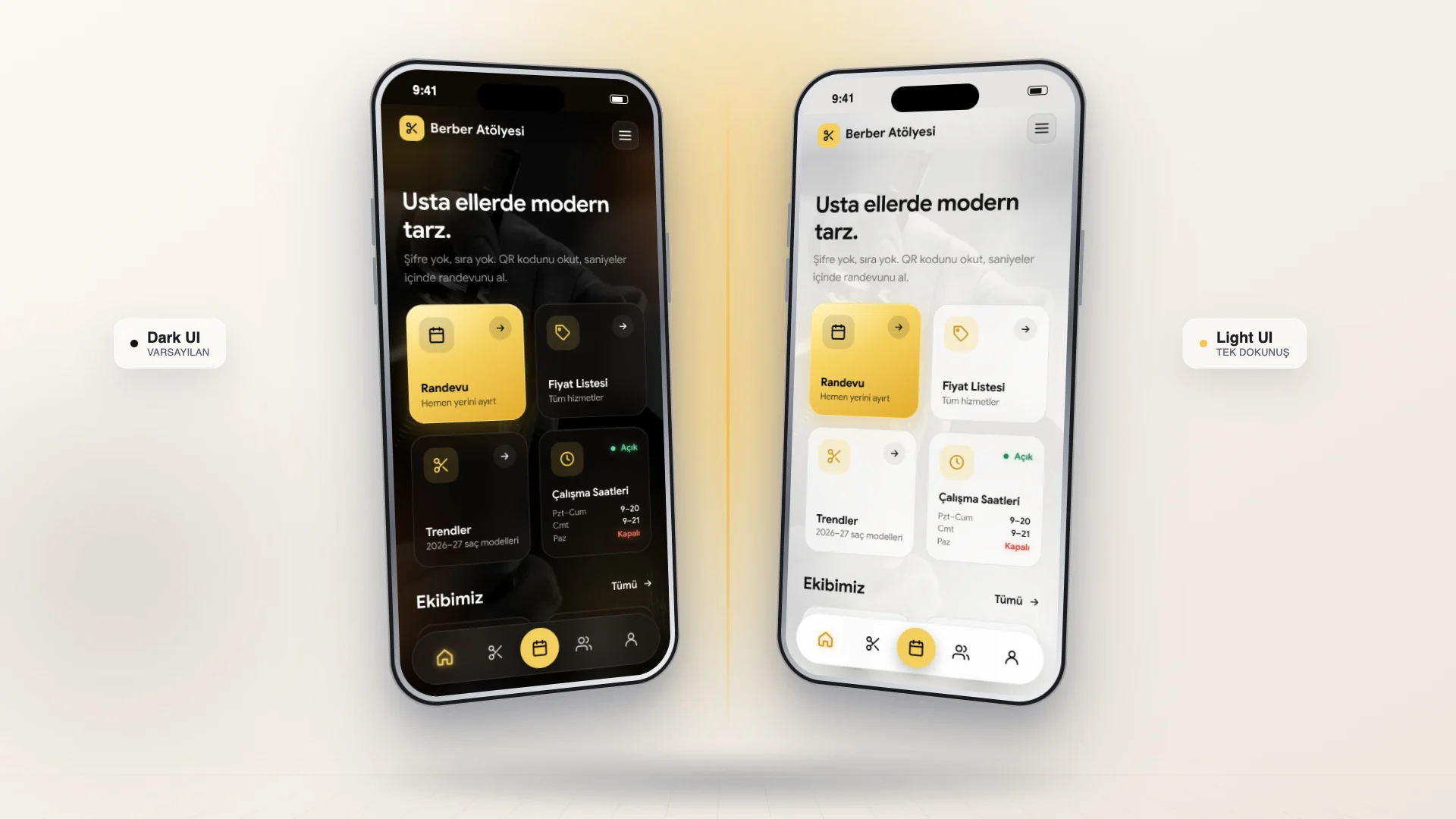
- Easy-on-the-eyes Light and Dark UI options
Outcome
A dynamic task-management platform was delivered that installs like a native app, works smoothly without connectivity, and includes reporting and a built-in AI assistant. The project is also concrete proof of how AI-assisted production shortens the path from design to live product.